What Is Rapping?
Rapping is a kind of vocal performance where a person speaks rhythmically, uses rhyme, and matches their words to a beat. It mixes speech, poetry, rhythm, and expression and is a key part of hip-hop music.
In rapping:
You speak fast with rhythm.
You use rhyme schemes like AABB or ABAB.
You match your words to a beat or backing track.
Rapping started in the 1970s in New York and grew into a global music style.
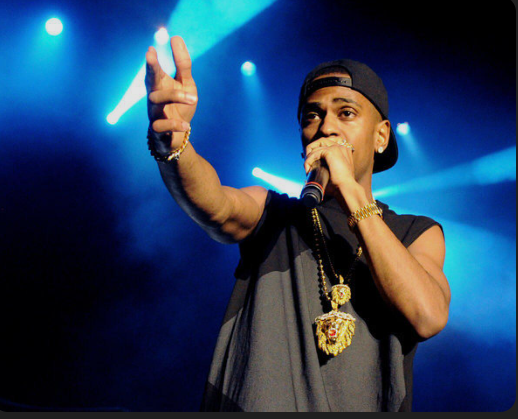
Why Rapping Matters: Benefits & Science
1. Cognitive & Brain Benefits
Studies show that rap and other music activities help people’s thinking, memory, and mood. Music activities like rapping improve social connection, self-esteem, and empowerment.
Brain scans also suggest that during freestyle rapping (making up lyrics on the spot), areas of the brain linked with creativity become active while others that control self-criticism relax — helping creative flow.
2. Emotional Expression
Research used in music therapy indicates that rapping helps people express emotions and regulate tension — especially in youth settings
3. Language & Learning
Rap can help language learning because it uses rhyme, rhythm, and repetition — which help with memory and vocabulary skills in education settings.
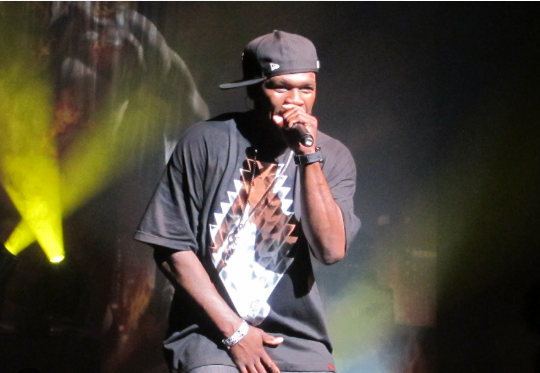
Rapping vs Singing: Quick Comparison
| Feature | Rapping | Singing |
|---|---|---|
| Rhythm Focus | Primary focus | Secondary |
| Melody (Pitch) | Optional | Primary |
| Delivery | Spoken-rhythmic | Tuned musical notes |
| Typical Usage | Rap/Hip-hop | Broad music genres |
Rapping focuses on rhythm and words more than pitched melody. Singing uses pitch patterns to form songs.
Common Elements of Rapping You Should Know
1. Flow
Flow is how a rapper balances their timing, rhythm, and words with the beat.
2. Rhyme & Wordplay
Good rappers often use complex rhyme patterns and language tricks to make meaning and sound better.
3. Delivery & Emotion
Delivery is how a rapper uses tone, rhythm, and energy to make listeners feel the message.
Styles of Rapping: A Simple Comparison
| Style | What It Is | Best For |
|---|---|---|
| Freestyle | Making up lyrics on the spot | Improvisation, creativity |
| Written Rap | Pre-written verses | Storytelling, polish |
| Battle Rap | Competitive verbal duels | Skill & sharp wordplay |
| Narrative Rap | Story-based lyrics | Emotional depth |
Each style uses rhyme and rhythm differently to connect with listeners.
Frequently Asked Questions
Is rapping singing?
No. Rapping uses rhythm and spoken words; singing focuses more on musical pitch and melody.
Can rapping help your brain?
Yes. Research shows music activities like rapping can support memory, creativity, and well-being.
Does rapping improve language skills?
Yes, because it uses rhyme and rhythm to help with vocabulary and memory.
Conclusion
Rapping is a proven musical technique that blends speech, rhythm, and creativity. It can help with memory, emotional expression, and language skills, making it not only powerful as music but valuable for brain health and personal growth
Leave a Reply