What Is Rapping
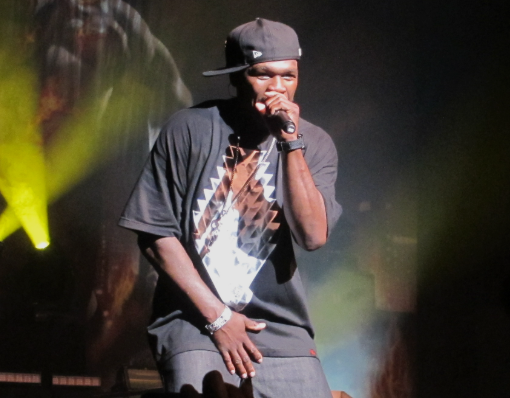
Rapping is a vocal technique where a performer delivers rhythmic, rhymed (or semi-rhymed) lyrics in a speech-like cadence over a beat or musical backing. It’s built on three core parts: content (what’s being said), flow (the rhythm and rhyme pattern), and delivery (tone and cadence). Rapping is the vocal element of hip hop, though its roots go back further than hip hop itself.
🔥 High-energy Christian rap for your workout? This is it. Follow + save now:
Table of Contents
Is Rapping A Form Of Singing
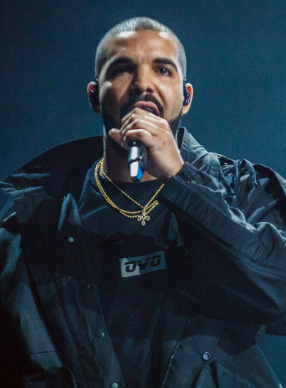
No, not technically. Singing relies on pitch and melody — the notes you hold and how they move up and down a scale. Rapping relies on rhythm, rhyme, and cadence instead of melody. That’s the key technical difference: a rapper can deliver a verse with almost no pitch variation at all, while a singer can’t really sing without it. That said, the line does blur in modern music — melodic rap and “singflow” styles borrow pitch techniques from singing, which is part of why the two get confused so often.
The Art Of Rapping
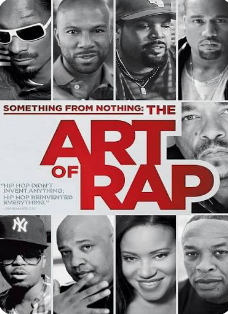
Rapping traces back further than most people realize. The word “rap” itself dates back to 15th and 16th century Britain, originally meaning “to strike” or “to hit,” before shifting meaning to “to talk” by the 1960s in Black American communities. The actual technique of rhythmic, spoken-word vocals over music has deeper roots too — West African griot storytelling traditions, Jamaican DJ “toasting” over dub reggae, and the “talking blues” style of early 20th-century blues and folk music all fed directly into what became rap. Rapping as we know it today formed in the early 1970s in the South Bronx, where DJs like Kool Herc looped percussion breaks at block parties while MCs chanted and hyped the crowd over them.
The Data Point Almost Nobody Cites
Here’s something you won’t find in the average “what is rapping” article: researchers have actually measured rhyme density across eras of rap using computational linguistics, not just opinion. A rhyme-detection study analyzing rap lyrics found that old-school artists like Run-DMC averaged about 1.5 rhymes per line, while artists like Eminem and Jay-Z average roughly 2.2 to 2.3 rhymes per line — nearly double the rhyme density. That’s not a stylistic guess; it’s a measurable, quantified shift in how technically dense rap lyricism has become over time.
This matters because it proves something casual listeners often miss: rapping isn’t static. The “flow” itself — the actual linguistic complexity packed into a bar — has objectively gotten harder and more layered as an art form decade over decade, driven by techniques like internal rhymes (rhyming words placed mid-line, not just at the end) and multisyllabic rhymes (matching two or more syllables across words, not just one). It’s the difference between a rapper who rhymes the last word of a line, and one weaving three or four rhyming sounds into a single bar without breaking the beat.
What Is Rapping In Music
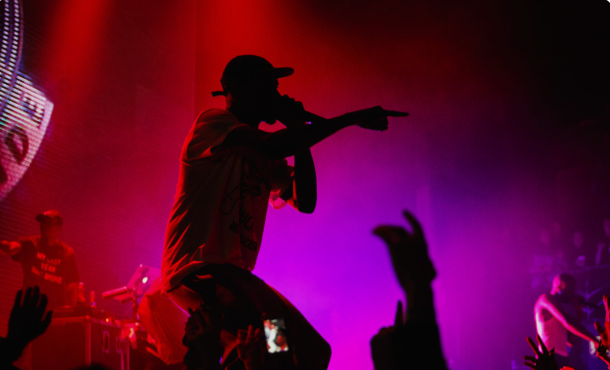
In a music context, rapping is the lyrical delivery style layered on top of a beat, typically produced through sampling, drum machines, or live instrumentation. It’s one part of the larger hip hop culture, which also includes DJing, breakdancing, and graffiti art — rapping is just the vocal piece of a bigger cultural movement, not the whole thing.
Definition Of Rapping In Music
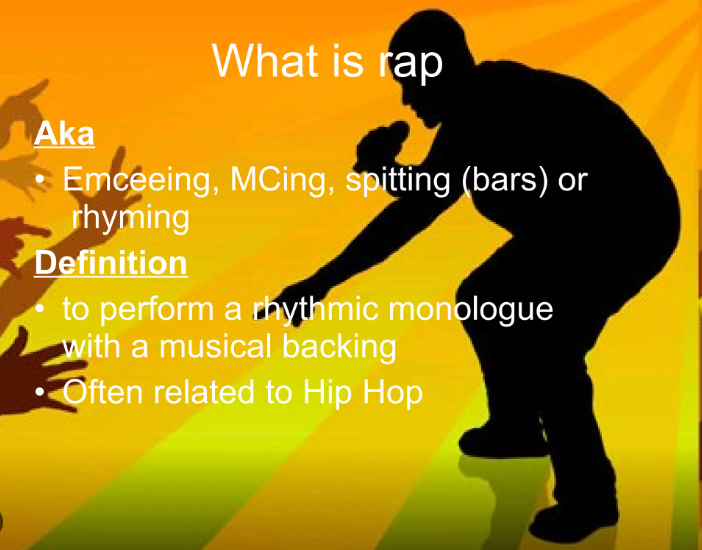
Formally, rapping in music is defined as a rhythmic vocal delivery of spoken or chanted lyrics, emphasizing rhyme and cadence over melody, typically performed to a beat. It differs from spoken-word poetry mainly because it’s performed in strict time with musical accompaniment, rather than freely.
Rapping Vs Singing
The clearest way to separate the two: singing is built around pitch and melody, rapping is built around rhythm and rhyme. A singer’s main tool is their vocal range; a rapper’s main tools are timing, wordplay, and cadence. Both can carry emotion and storytelling, but they use fundamentally different vocal mechanics to do it.
What Is Rapping For Kids
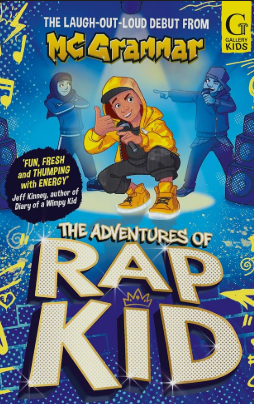
Rapping has a genuinely proven place in education, and it’s not just a gimmick — a real classroom study (Adjapong & Emdin, 2015) that used rap and beat-making to teach science concepts like the water cycle found a 40% increase in sustained attention among students with ADHD compared to traditional lecture teaching. Separately, dyslexic students have shown measurable benefits too, since rhyme-based lyrics reinforce phonemic awareness — the auditory skill behind sounding out words — in a way plain reading drills often don’t. For kids specifically, rapping isn’t a distraction from learning; in the right setting, it’s one of the more effective tools for it.
What Is Rapping In Triplets
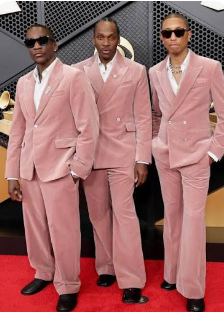
Rapping “in triplets” — often called the triplet flow or “Migos flow” — means fitting three syllables into the space of one beat instead of the usual two or four. It creates that bouncy, rapid-fire cadence you hear in artists like Migos, Future, or Kendrick Lamar’s more aggressive verses.
Here’s the detail almost nobody mentions: triplet flow did not start with Migos. It goes back to the early-to-mid 1990s, when Bone Thugs-N-Harmony layered triplet vocal patterns over slow R&B beats, and Memphis group Three 6 Mafia used a harder, darker version of the same technique. Migos didn’t invent it in 2013 — they perfected and popularized it, turning a decades-old technique into rap’s defining sound of the 2010s.
Is Rap Singing
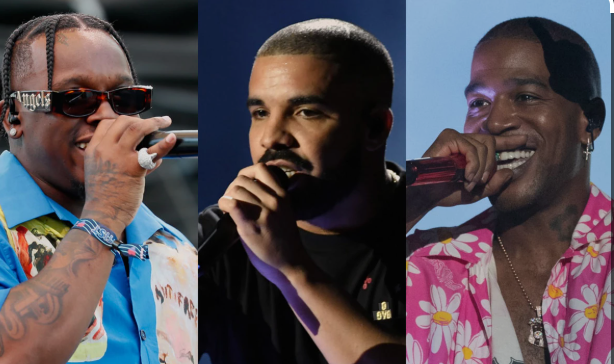
No — rap and singing are distinct vocal techniques, even though they’re both delivered over music. Rap doesn’t require melodic pitch the way singing does. This is also a big part of an older debate you’ll find inside Christian and gospel music circles specifically — some listeners have questioned whether rap “counts” as real musical expression the same way singing does. If that question interests you, it connects directly to a bigger conversation worth reading on its own.
Why This Matters Beyond the Definition
Understanding the actual mechanics of rapping — flow, cadence, rhyme pattern — matters if you’re evaluating any rap music seriously, including Christian and gospel hip hop. A lot of casual criticism of rap (Christian or secular) comes from judging it by singing’s rules, when it’s a completely different vocal discipline with its own skill set.
What Are The 4 Pillars Of Rap
Most people think hip hop has four pillars — DJing, MCing (rapping), breakdancing, and graffiti — but that’s actually the four pillars of hip hop culture, not rapping itself. Rapping (MCing) is just one of them.
Inside rapping specifically, the “four pillars” that working MCs actually train are different: flow (how you ride the beat’s rhythm), rhyme (the sound patterns tying words together), content (what the verse is actually about), and delivery (tone, breath control, emphasis). Miss one and a verse falls apart even if the other three are strong — a rapper with killer wordplay but flat delivery still sounds boring, and a rapper with perfect flow but no content has nothing to say.
Is Rapping A Skill Or Gift
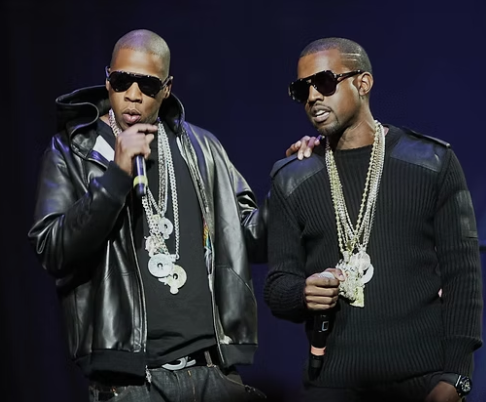
Both, but not equally. Studies on expert rappers doing freestyle (improvised, unwritten) rap have used brain imaging and found something interesting: during freestyle, activity increases in brain regions tied to motivation and language, while activity drops in regions tied to self-monitoring and conscious control — similar to what’s seen in musicians deep in improvisation. That suggests real freestylers aren’t just “naturally gifted talkers” — they’ve trained their brain into a different processing state most people never access.
The honest answer: raw wordplay instinct and rhythm sense give some people a head start (the “gift” part), but the technical control — breath, pocket, multisyllabic rhyme construction — is built through repetition like any instrument. Nobody is born already knowing how to land a triplet flow on beat.
What Are The 7 Levels Of Rappers
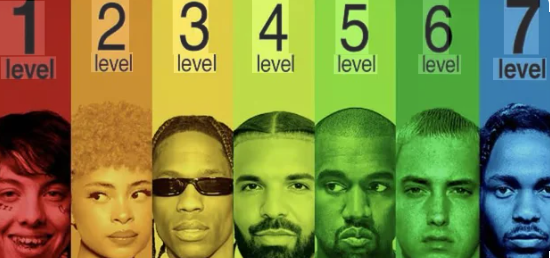
There’s no official, agreed-upon “7 levels” system — you’ll find different versions floating around forums and YouTube, and most are opinion, not a real framework. The version that circulates most commonly runs roughly:
- Can rhyme words but off-beat
- On-beat but simple, single-syllable rhymes
- Consistent flow with basic wordplay
- Multisyllabic rhymes, some internal rhyme
- Complex flow switches, layered wordplay
- Freestyle-level command, technical mastery
- Innovates — creates flows and styles other rappers copy
Worth saying clearly: this isn’t a scientific or industry-recognized scale. Treat it as a rough self-check for where your technical skill sits, not gospel.
Is Rapping Harder Than Singing
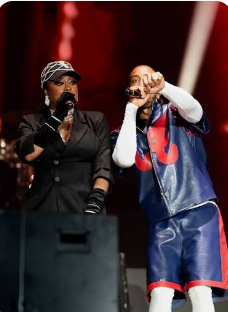
Wrong question, honestly — they’re hard in different ways, not on the same scale. Singing demands precise pitch control across a vocal range; miss a note and it’s audibly wrong. Rapping demands rhythmic precision and lyrical density under time pressure — you can be a technically flawless singer and still completely fall apart trying to fit sixteen syllables into two beats without dragging.
One data point that actually gets at this: rhyme-density research comparing eras found rap lyricism has become measurably more complex over decades (older-school artists averaging around 1.5 rhymes per line versus 2.2–2.3 for more modern lyrically dense rappers). Singing hasn’t seen an equivalent measurable jump in technical demand — melodies have stayed built around the same fixed scale constraints for centuries. That doesn’t make rap “harder” — it makes them different disciplines with different failure points.
Can Rappers Actually Sing
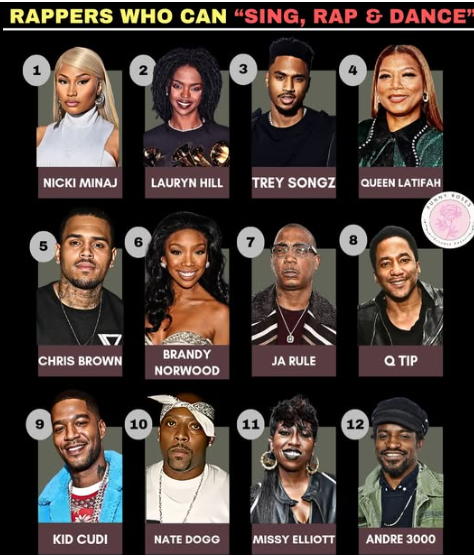
Some can, most don’t need to. Rapping and singing use different core mechanics — rap doesn’t require sustained pitch control the way singing does — so plenty of elite rappers never trained their singing voice at all, and it doesn’t hurt their rapping one bit.
But the overlap is real and growing. Melodic rap and “singflow” (rappers half-singing hooks and verses) has pulled singing technique directly into rap over the last decade, and a chunk of today’s biggest rap artists actually can sing competently — they’re just choosing rap’s rhythm-first delivery for most of a verse. The two skills aren’t mutually exclusive; they’re just not the same skill.
Is Rapping Considered Music
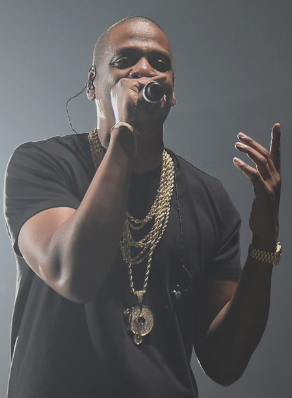
Yes, by every serious musicological definition — and this question mostly comes from people applying singing’s rules to a genre that was never built around melody in the first place. Rap has rhythm, structure, meter, and (usually) a fixed tempo layered over produced instrumentation — that’s music by any technical definition, not spoken word with a beat playing in the background.
The confusion usually comes from Western music education, which trains people to equate “music” with “melody.” But rhythm-centered vocal traditions — griot storytelling, talking blues, dub toasting — existed as recognized musical forms long before rap, and rap is a direct descendant of that lineage, not an exception to it.
Why Do People Like Rapping

Beyond “it sounds good,” there’s a real cognitive reason rap hooks people that most articles skip entirely: rhyme and rhythm make language easier for the brain to predict and process. Predictable-but-not-boring patterns (a rhyme you can almost guess right before it lands) trigger a small reward response — it’s part of why rhyming has been used across cultures for memory and storytelling for centuries before rap existed.
Layer that onto rap specifically and you get two payoffs at once: the rhythmic satisfaction of a well-placed rhyme, plus the storytelling/content pull of a verse that’s actually saying something real. Genres built purely on melody don’t always give listeners both at the same time the way rap does.
What Is Rap Music Called
“Rap” and “hip hop” get used interchangeably, but technically they’re not the same thing. Rap refers specifically to the vocal technique — rhythmic, rhymed lyrics delivered over a beat. Hip hop refers to the wider culture the vocal style came out of, which includes DJing, breakdancing, and graffiti art alongside rapping.
So calling a song “hip hop” is really naming the culture/genre it belongs to, while calling it “rap” is naming the specific vocal style being used on it. In casual conversation nobody splits hairs over this — but if you want to sound like you actually know the genre instead of just consuming it, that’s the real distinction.
Final Thoughts
Rapping isn’t “talking fast” and it isn’t a lesser version of singing — it’s its own vocal art form, with real technical demands around rhythm, rhyme, and delivery, and roots that go back centuries before hip hop existed. Understanding that difference makes it easier to actually appreciate what a skilled rapper is doing, whatever genre they’re doing it in.
FAQ
Who is credited with inventing rap music?
No single person “invented” rap, but DJ Kool Herc’s block parties in the South Bronx in the early 1970s are widely credited as the foundation of the technique as we know it today, with MCs chanting over his looped breakbeats.
What was the first commercially released rap song?
King Tim III (Personality Jock)” by the Fatback Band is often cited as the first rap song released commercially, though “Rapper’s Delight” by the Sugarhill Gang later that same year, 1979, is what brought rap to mainstream national attention.
What are the three basic elements of a rap verse?
Content (what is being said), flow (the rhythm and rhyme pattern), and delivery (tone and cadence) are considered the three core building blocks of any rap verse.
Is rapping older than hip hop?
Yes. The rhythmic, speech-based vocal tradition behind rapping draws from West African griot storytelling and other older oral traditions that predate hip hop by centuries, even though rapping as a modern musical technique formed alongside hip hop in the 1970s.
What type of rap is Nipsey Hussle?
Nipsey Hussle rapped West Coast gangsta rap with a mob music/street rap style rooted in his South Los Angeles Rollin’ 60s Crips background, blending laid-back G-funk-influenced beats with introspective, entrepreneurial, and community-focused lyrics later in his career.
Why do people like rapping?
People connect with rapping because it delivers raw, direct storytelling and emotion through rhythm and wordplay rather than melody, making it feel more like real speech. It also rewards technical skill (rhyme density, flow, wordplay) that listeners can appreciate the way sports fans appreciate athleticism, plus it gives both performers and listeners a powerful outlet for self-expression and identity.
If this helped clear up what rapping actually is, share it with someone who still thinks it’s “just talking.”
Grid
Free Christian Hip Hop Sites: hidden secrets free fast now
DC3 A Christian Rapper? learn this now
What Is 116 Clique? hidden secrets Reach Records Crew
Bryann T Christian Rapper: hidden secrets now
New Gospel Hip Hop Artists To Follow: 16 hidden Names
Leave a Reply