Table of Contents
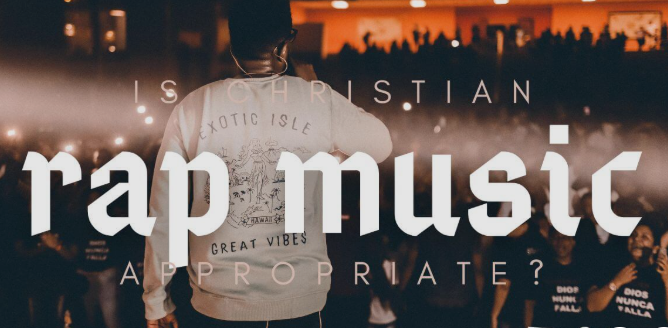
What Does The Bible Say About Rap Music
The short answer: the Bible never mentions rap music by name, because the genre didn’t exist when Scripture was written. What it does give us are principles about music and words in general — and those principles are what Christians use today to think through whether rap fits their faith. The Bible treats musical style as neutral. What it cares about is the content of the lyrics and the heart behind them (Philippians 4:8, Ephesians 4:29). So rap isn’t condemned as a style — but like any music, it can be used to build people up or tear them down, and Scripture asks believers to pay attention to which one it’s doing.
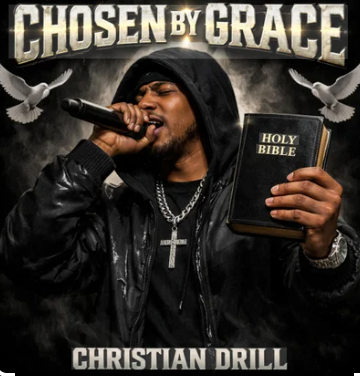
🔥 High-energy Christian rap for your workout? This is it. Follow + save now:
Where In The Bible Does It Talk About Rap Music?
Scripture doesn’t name rap directly, but several passages are commonly pointed to when Christians discuss music and lyrics in general:
- Psalm 100:1-2 — calls believers to worship God with joyful songs, showing music has a real place in worship.
- Ephesians 5:19 — encourages “psalms, hymns, and songs from the Spirit,” making the point that the purpose behind the music matters.
- Ephesians 4:29 — warns against “corrupt communication,” a verse often applied to lyrical content specifically, not just music.
- Philippians 4:8 — tells believers to fix their minds on what is true, noble, right, and pure, which is the verse most commonly used as the test for any song, rap included.
- 1 Corinthians 15:33 — “evil communications corrupt good manners,” often cited by those cautious about secular or explicit rap content.
None of these verses single out rap. They’re about music and speech broadly, which is exactly why Christian rap artists and critics alike use them to make their case either for or against specific songs.
What Does The Bible Say About Rap Music KJV
In the King James Version, the same principle carries through the older English. Amos 5:23-24 has God rejecting empty musical worship — “Take thou away from me the noise of thy songs” — in favor of justice and righteousness, a verse sometimes used to argue that style is never the issue, sincerity is. Ephesians 4:29 in the KJV reads “Let no corrupt communication proceed out of your mouth,” reinforcing that the KJV’s message lines up with modern translations: it’s the words, not the genre, that Scripture is concerned with.
Bible Rap Lyrics: How Christian Rappers Use Scripture
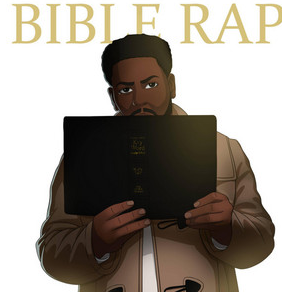
Rather than the Bible containing “rap lyrics,” it’s Christian rap artists who build their lyrics around Scripture. Artists like Lecrae, KB, and Trip Lee regularly write verses that reference biblical themes and passages directly, using rap as the delivery method for messages rooted in faith. This is part of why the genre exists at all — it takes the same principle found in Ephesians 5:19 (using music to “speak to one another”) and applies it to a modern sound. If you’re looking for actual song lyrics, streaming platforms and official lyric sites are the right place to find them, since reproducing full lyrics here would step on the artists’ copyright.
The Verse Most Articles On This Topic Miss: 2 Samuel 6
Almost every article on “what does the Bible say about rap music” cycles through the same handful of verses — Psalm 100, Ephesians 5:19, Philippians 4:8. What most of them skip is the one passage that speaks most directly to the actual argument critics make against rap: that it’s too loud, too physical, or too “undignified” to count as real worship. That argument already happened once in Scripture, and it didn’t go the way people might expect.
In 2 Samuel 6, David dances “with all his might” before the Ark of the Covenant as it enters Jerusalem — leaping, spinning, fully given over to celebration. His wife Michal watches from a window and despises him for it, later mocking him for behaving like “one of the vain fellows” instead of acting with the composure expected of a king (2 Samuel 6:14-16, 20). David’s response is direct: he tells her he will celebrate before the Lord and become even more undignified than that, because his worship was never about looking respectable to onlookers — it was about honoring God (2 Samuel 6:21-22). The narrative sides with David here, not Michal, and Michal’s contempt is treated as the actual problem in the passage, not David’s dancing.
Bible commentators point out this passage draws a clear line: worship being unconventional, physical, or uncomfortable to watch isn’t automatically a mark against it. Scripture ties genuine worship to sincerity of heart, not to whether it matches a traditional or dignified style. That’s the same principle Christian rap defenders lean on, even if they don’t always cite the chapter directly — the concern in Scripture has never been “does this look proper,” it’s been “is this honest devotion.” Michal’s mistake, according to most commentary on the passage, was judging worship by appearance rather than by what was actually happening in David’s heart.
This doesn’t mean every rap song gets a free pass by association — 2 Samuel 6 isn’t a blanket defense for anything done “in worship.” But it is the clearest biblical example of God’s people disagreeing over whether a style of worship is appropriate, and Scripture coming down on the side of sincerity over social respectability.
Frequently Asked Questions
What does the Bible say about rap music?
The Bible doesn’t mention rap by name since the genre didn’t exist yet, but it gives principles about music and speech — namely that content and intent matter more than style (Philippians 4:8, Ephesians 4:29).
Where in the Bible does it talk about rap music?
No verse names rap directly. Verses like Psalm 100:1-2, Ephesians 5:19, and Philippians 4:8 are the ones most often applied to the topic
What does the Bible say about rap music KJV?
The KJV carries the same message as modern translations — Ephesians 4:29 and Amos 5:23-24 both point to sincerity and clean speech mattering more than musical style.
Is listening to rap music a sin?
Not inherently. Most Christian teaching holds that the style of music isn’t sinful — what matters is the lyrical content and how it affects the listener’s heart and choices.
Is rap a sin in Christianity?
No mainstream Christian teaching holds rap itself to be sinful. Concerns are usually about specific lyrical content (violence, sexual content, profanity), not the genre as a whole.
Can Christians do hip-hop?
Yes — Christian hip-hop is an established genre with artists like Lecrae, KB, Andy Mineo, and Hulvey building careers on faith-centered rap music.
If this helped clear things up, share it with someone still wrestling with the question.
Grid
Free Christian Hip Hop Sites: hidden secrets free fast now

DC3 A Christian Rapper? learn this now

What Is 116 Clique? hidden secrets Reach Records Crew

What Is Rapping: all hidden rap secrets now reveal

Bryann T Christian Rapper: hidden secrets now

Leave a Reply